The 7th International Symposium on Chu Culture, themed “New Perspectives on the Study of Jingzhou Bamboo and Wooden Slips and Chu Culture”, was held at Yangtze University from November 14 to 15. The event was jointly hosted by Yangtze University and the Publicity Department of the CPC Jingzhou Municipal Committee, and co-organized by the School of Humanities and New Media of Yangtze University, the Jingzhou Branch of the Hubei Academy of Social Sciences, and the Hubei Qu Yuan Research Association. Nearly 200 experts and scholars from China and abroad attended the symposium.
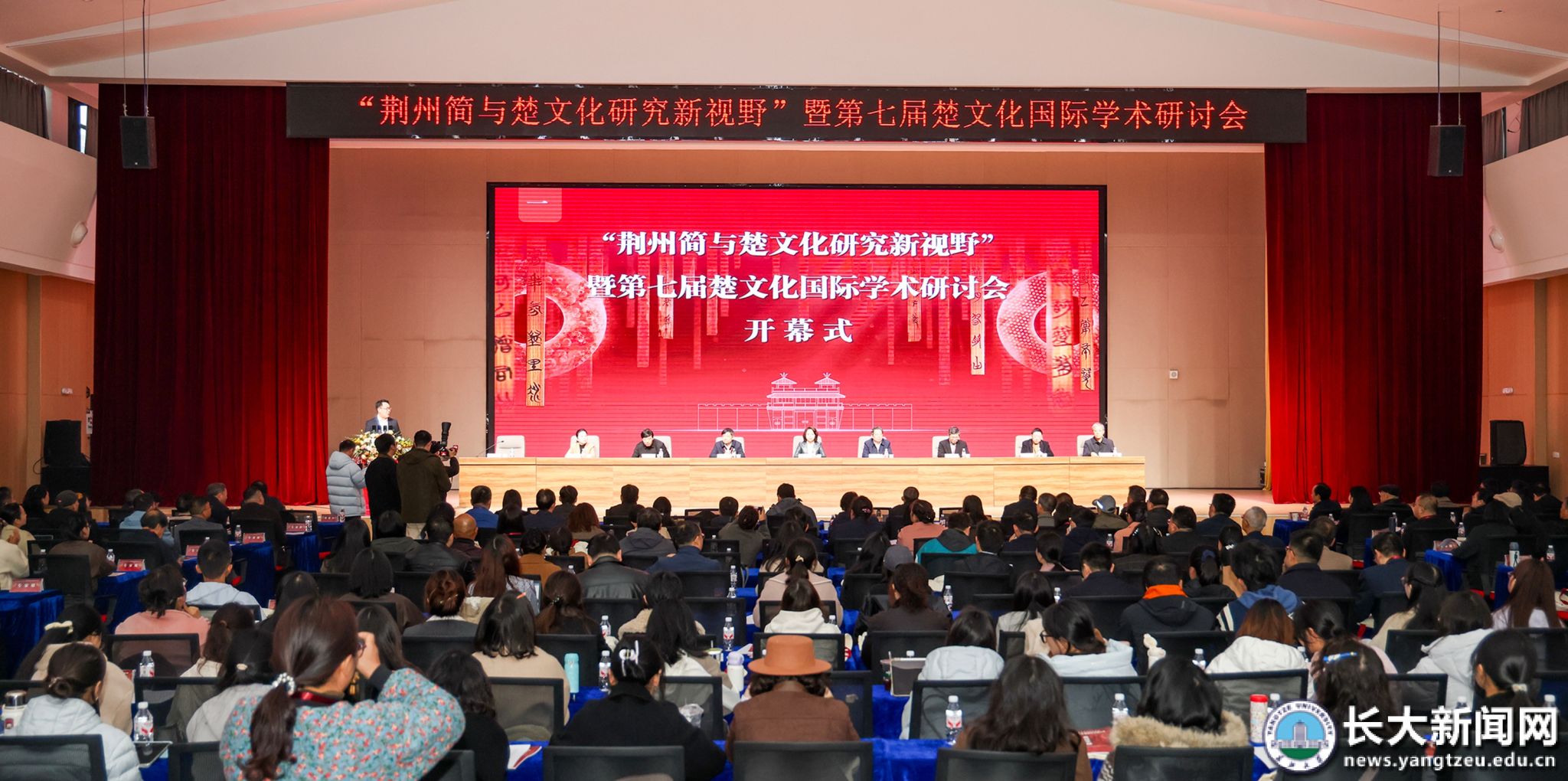
Guo Xiaorong, Member of the Standing Committee of the CPC Jingzhou Municipal Committee and Director of its Publicity Department, and Jiang Houshun, Member of the Standing Committee of the CPC Yangtze University Committee and Vice President of the University, attended the opening ceremony. He Shilong, Dean of the School of Humanities and New Media, presided over the ceremony.
Professor Song Yixiao of the School of History and Culture at Central China Normal University, President of the Hubei Qu Yuan Research Association, delivered congratulatory remarks on behalf of the Association. He noted that the bamboo and wooden slips unearthed in Jingzhou constitute invaluable primary sources for understanding the institutions, thought, beliefs, and characters of the people of the ancient State of Chu. The Chu bamboo slips and theSongs of Chushare common cultural origins and provide complementary evidence for one another. He further observed that the symposium brought together scholars from history, archaeology, paleography, literature, and other disciplines, reflecting the open and inclusive academic tradition of Chu studies and its emphasis on interdisciplinary dialogue.
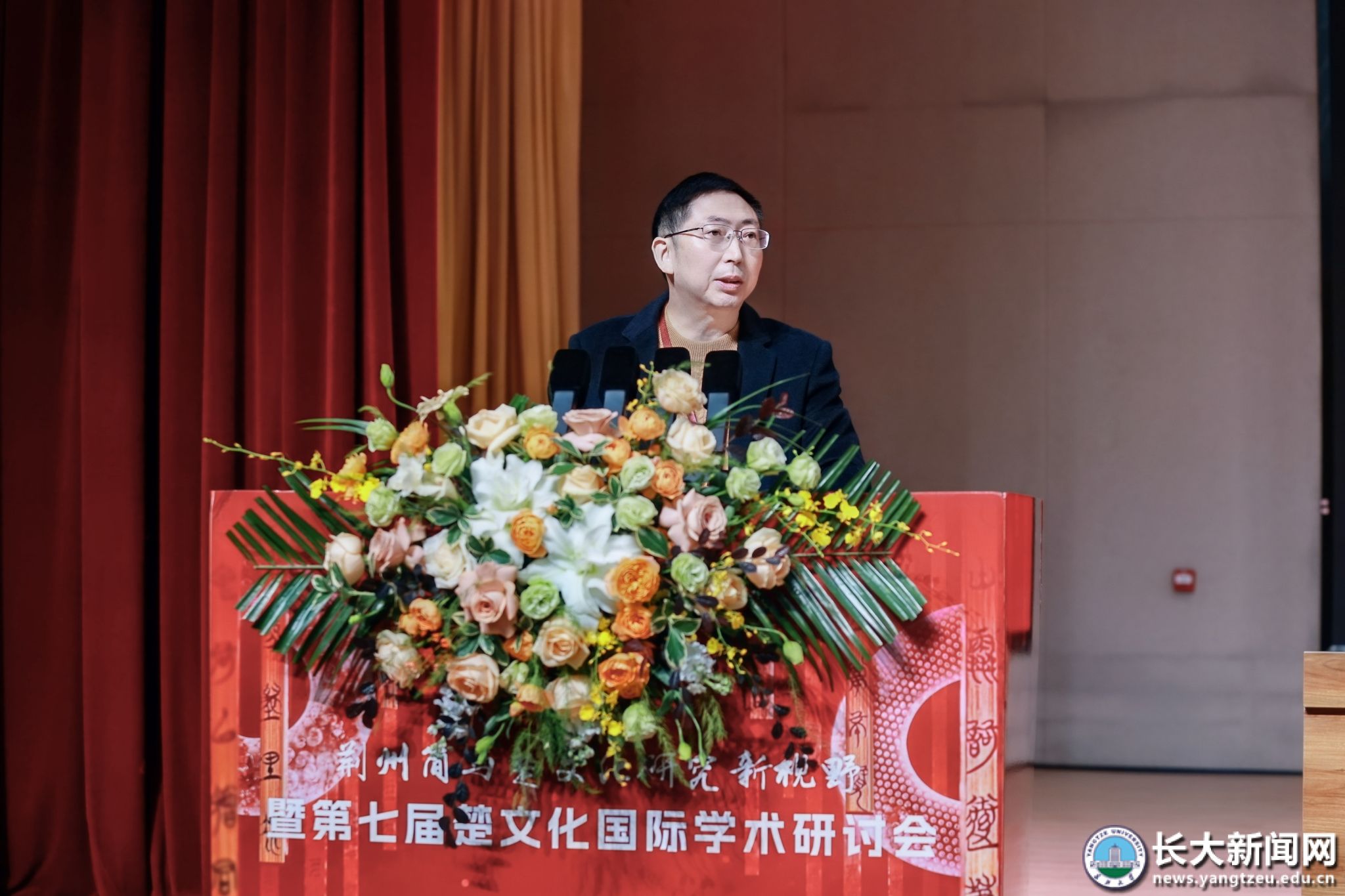
During the keynote session, scholars including Liu Guozhong, Sun Hua, Liu Yutang, Li Zhaodong, Song Yixiao, Li Zhifei, Li Song, and Yang Ming delivered presentations on a wide range of topics. These included excavated Chu bamboo slips and early Chinese civilization; the influence of Chu culture on the late Bronze Age culture of Sichuan; the early formation of ethnic community consciousness among the people of Chu; the interpretation of the phrase “sounds harmonize with one another” in the Laozi; the belief in the Thunder God among the people of Chu; the distribution of immovable cultural heritage in the Jingchu region and its revitalization through tourism; the geographical context of the construction of the Quebei irrigation system by the State of Chu; and Taoist music in the Chu region during the Tang Dynasty. Drawing on archaeological discoveries, paleographic interpretation, intellectual history, literature, cultural heritage, and the integration of culture and tourism, the presentations highlighted the latest developments in research on Jingzhou bamboo and wooden slips and Chu culture.
During the parallel sessions, participating scholars engaged in in-depth discussions under four major themes: “The State of Chu and the Study of Chu Culture,” “Preservation, Communication, and Dialogue of Chu Culture,” “Qu Yuan and theSongs of Chu,” and “Technology-Enabled Development and the Integration of Culture and Tourism.” Discussions also addressed the interpretation and textual verification of Jingzhou bamboo and wooden slips, their documentary value and cultural significance, the intrinsic connections between Chu culture and Yangtze River civilization, the revitalization of Chu cultural heritage through culture-tourism integration, the integration of AI with the study and development of Chu culture, and the judicial protection and digital governance of cultural relics in the Jingchu region. A forum for master's and doctoral students was also held, providing young scholars with a valuable platform to present their research and exchange ideas.
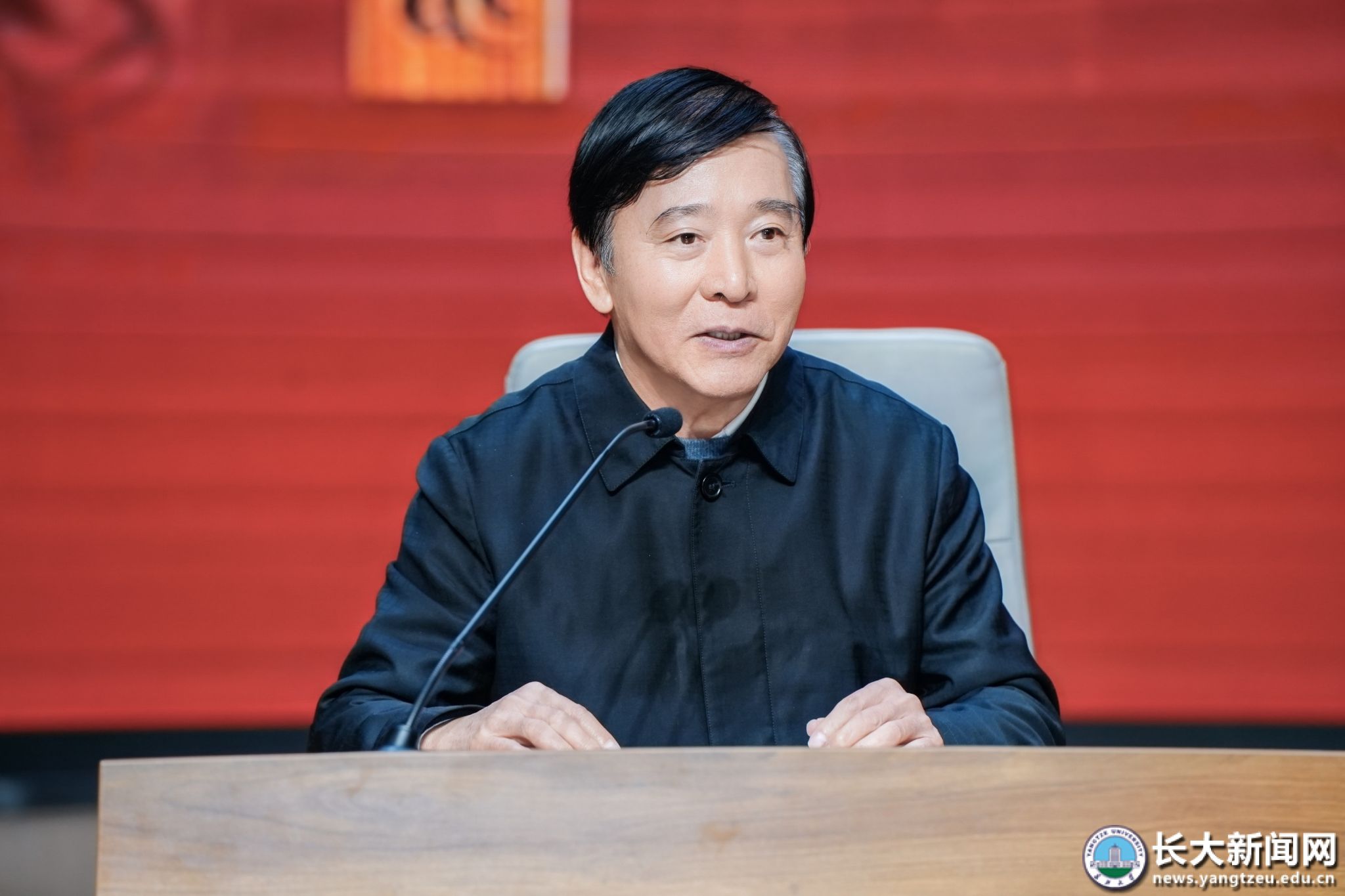
Liu Yutang, former Vice President of the Hubei Academy of Social Sciences, Honorary Dean of the Yangtze River Culture Research Institute, and Distinguished Professor at Yangtze University, delivered the concluding remarks. He commented that the symposium featured a clear academic focus and cutting-edge topics, fully demonstrating the distinctive value of Jingzhou bamboo and wooden slips in the study of Chu culture, as well as the vitality of interdisciplinary and international academic dialogue.
During the symposium, the organizers also arranged an on-site public lecture on Chu culture. Participants visited the Jingzhou Museum and the Xiongjiazhong National Archaeological Site Park, among other sites, to gain first-hand insights into the rich heritage of Chu culture and learn about the latest progress in the preservation and research of Jingzhou bamboo and wooden slips.