On September 12, the 11th Asia-Pacific Symposium on Laser Ablation and Microanalysis and the 6th Symposium on MC-ICP-MS Isotope Analytical Techniques opened at Yangtze University. More than 200 experts, scholars, and young researchers from universities, research institutes, and industry organizations at home and abroad gathered in the historic city of Jingzhou to exchange views on laser ablation, in-situ microanalysis, and high-precision isotope analysis. They shared cutting-edge research findings and promoted academic exchange and mutual learning among researchers from China and abroad.
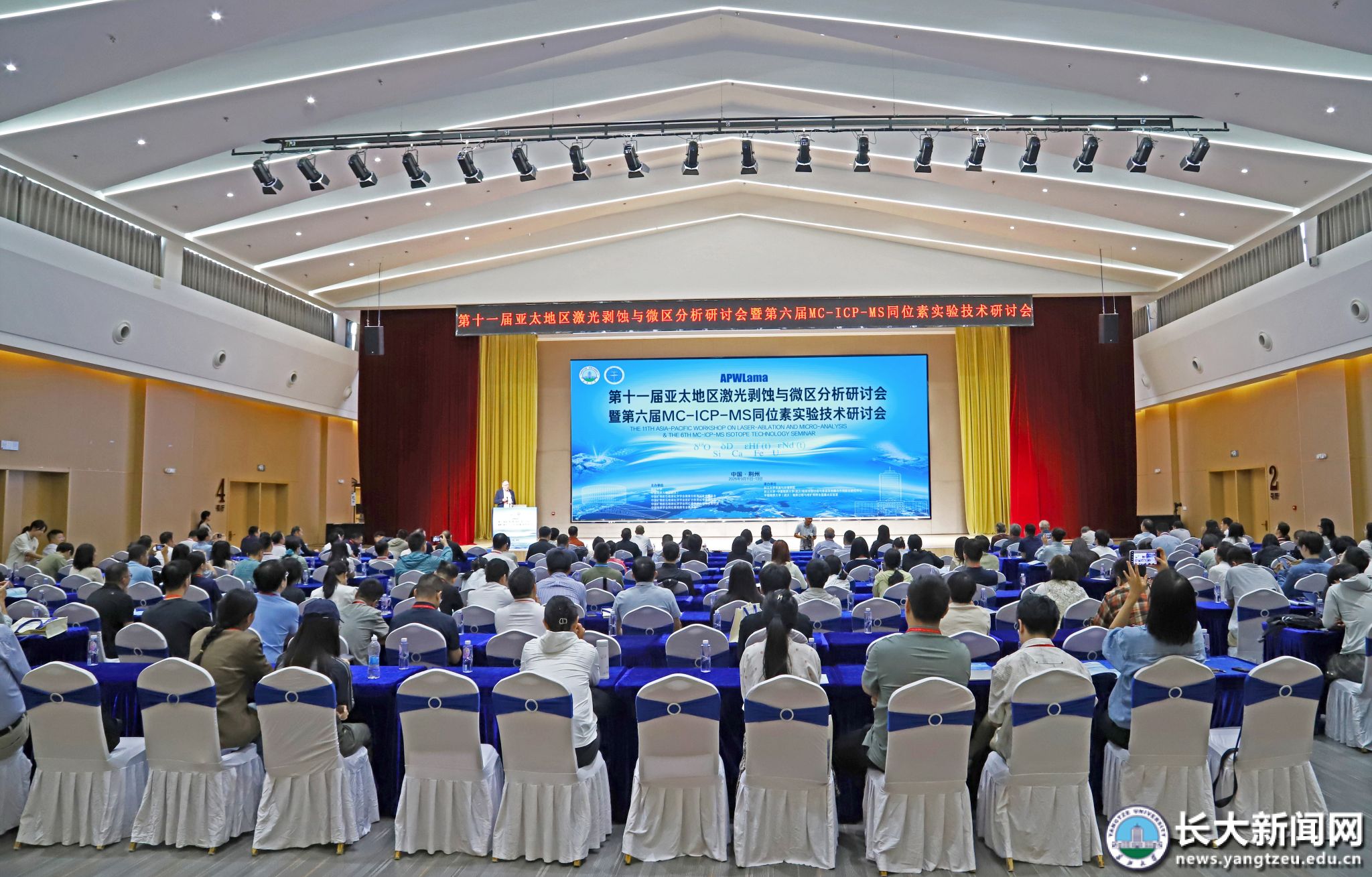
The symposium was jointly organized by Yangtze University and China University of Geosciences (Wuhan), together with the Microbeam Analysis and Testing Committee, Chinese Society for Mineralogy, Petrology and Geochemistry; Rock and Mineral Analysis and Testing Committee; the Isotope Geochemistry Committee; as well as the Isotope Geology Committee of the Geological Society of China.
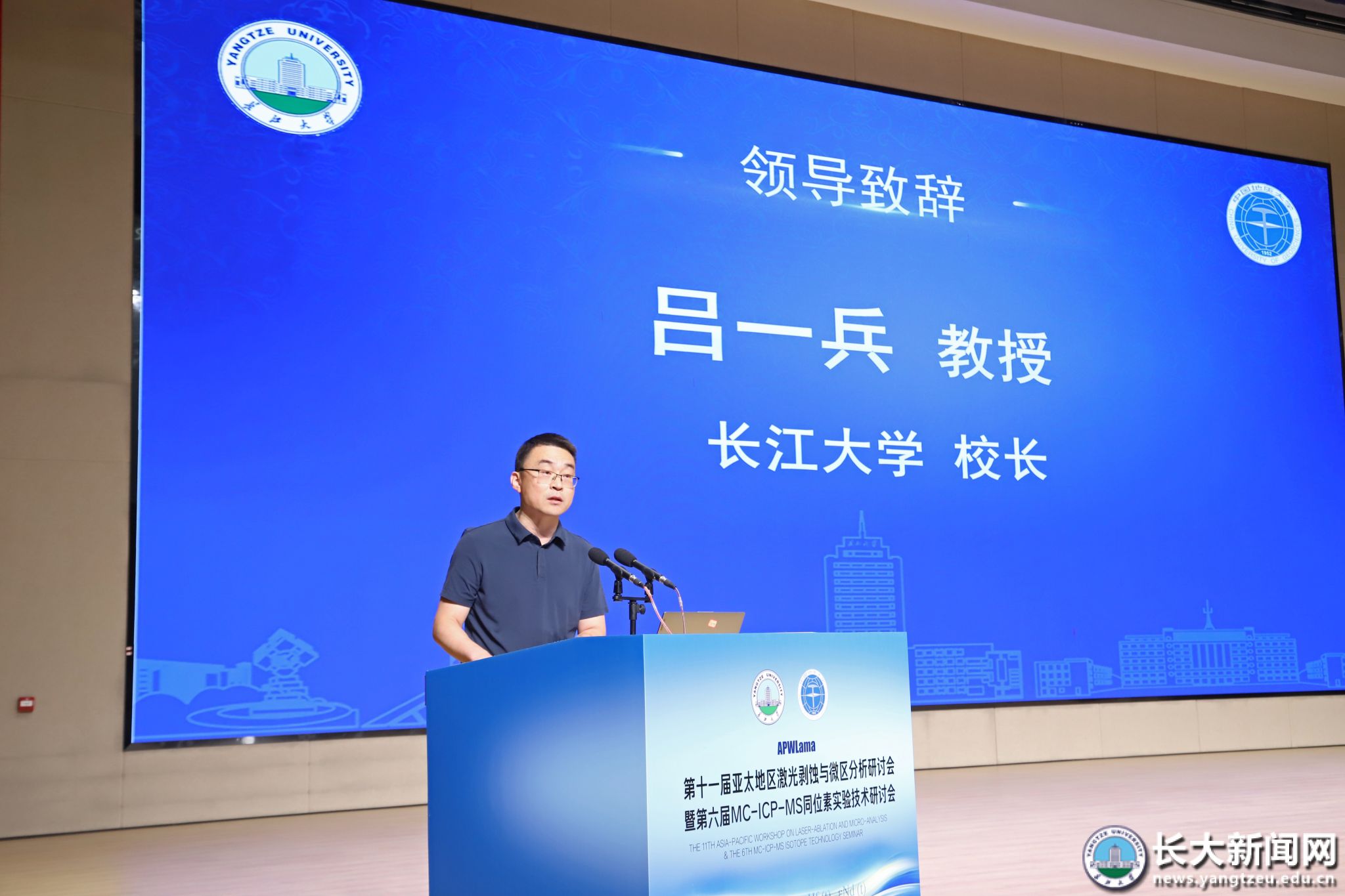
President Lü Yibing delivered a welcome address. On behalf of Yangtze University, he extended a warm welcome to all participating experts and scholars. He noted that Jingzhou, as the birthplace of Chu culture, boasts a rich historical and cultural heritage. As a key comprehensive university administered by Hubei Province, Yangtze University has a comprehensive disciplinary structure, with particular strengths in geoscience, petroleum engineering, and other fields. He observed that geoscience research is increasingly expanding in both the macro and micro directions, making microanalysis and experimental techniques featuring high spatial resolution and high analytical precision increasingly important. He said that hosting the symposium provides an important opportunity for the university to expand international academic exchanges, strengthen its research platforms, and advance high-level talent cultivation. The university will make every effort to provide strong support for the event and looks forward to fostering in-depth exchanges and expanding substantive research collaboration among participating scholars.
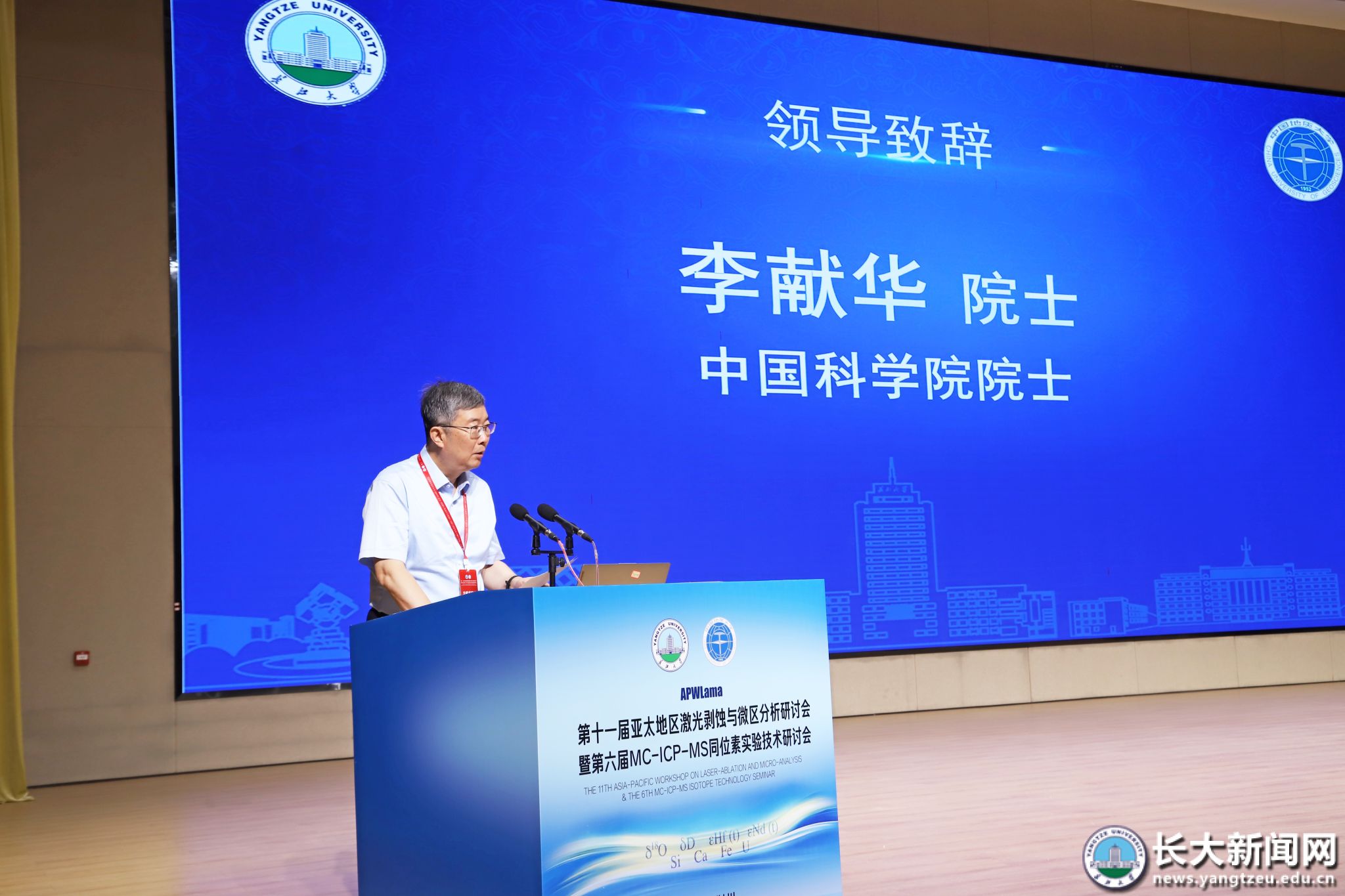
Academician Li Xianhua of the Chinese Academy of Sciences delivered a special address. He noted that technological innovations such as LA-(MC)-ICP-MS and SIMS have transformed approaches to understanding Earth materials and reconstructing processes of natural evolution. High-spatial-resolution microanalysis techniques enable researchers to decipher records of Earth’s evolution preserved in tiny mineral grains, while high-precision isotope techniques allow detailed tracing of the sources, formation mechanisms, and subsequent evolution of materials. He encouraged young scientists not only to master the operation of analytical instruments but also to understand the scientific principles underlying analytical measurements and to take up the responsibility of advancing their disciplines.
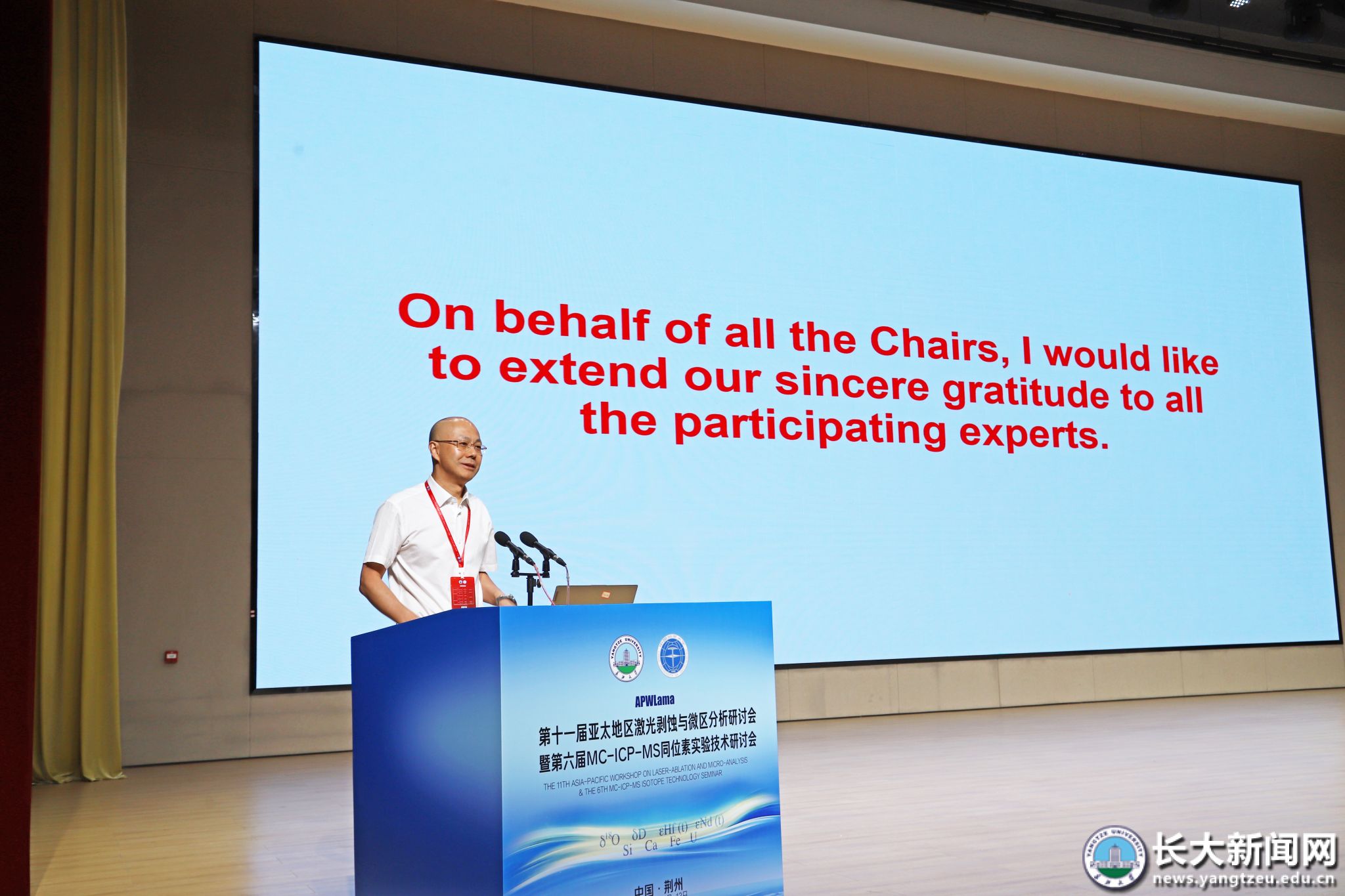
Professor Liu Yongsheng, Secretary of the CPC Yangtze University Committee and Chair of the symposium, reviewed the development of the event. He noted that the symposium has evolved from a small-scale domestic workshop into an influential academic platform in the Asia-Pacific region. As its scale has continued to expand and its influence has grown, the event has attracted an increasing number of experts and young scholars from China and abroad. Professor Liu expressed the hope that the symposium would further invigorate the academic atmosphere, promote the exchange of analytical technologies, and provide participants with an opportunity for fruitful academic interaction.
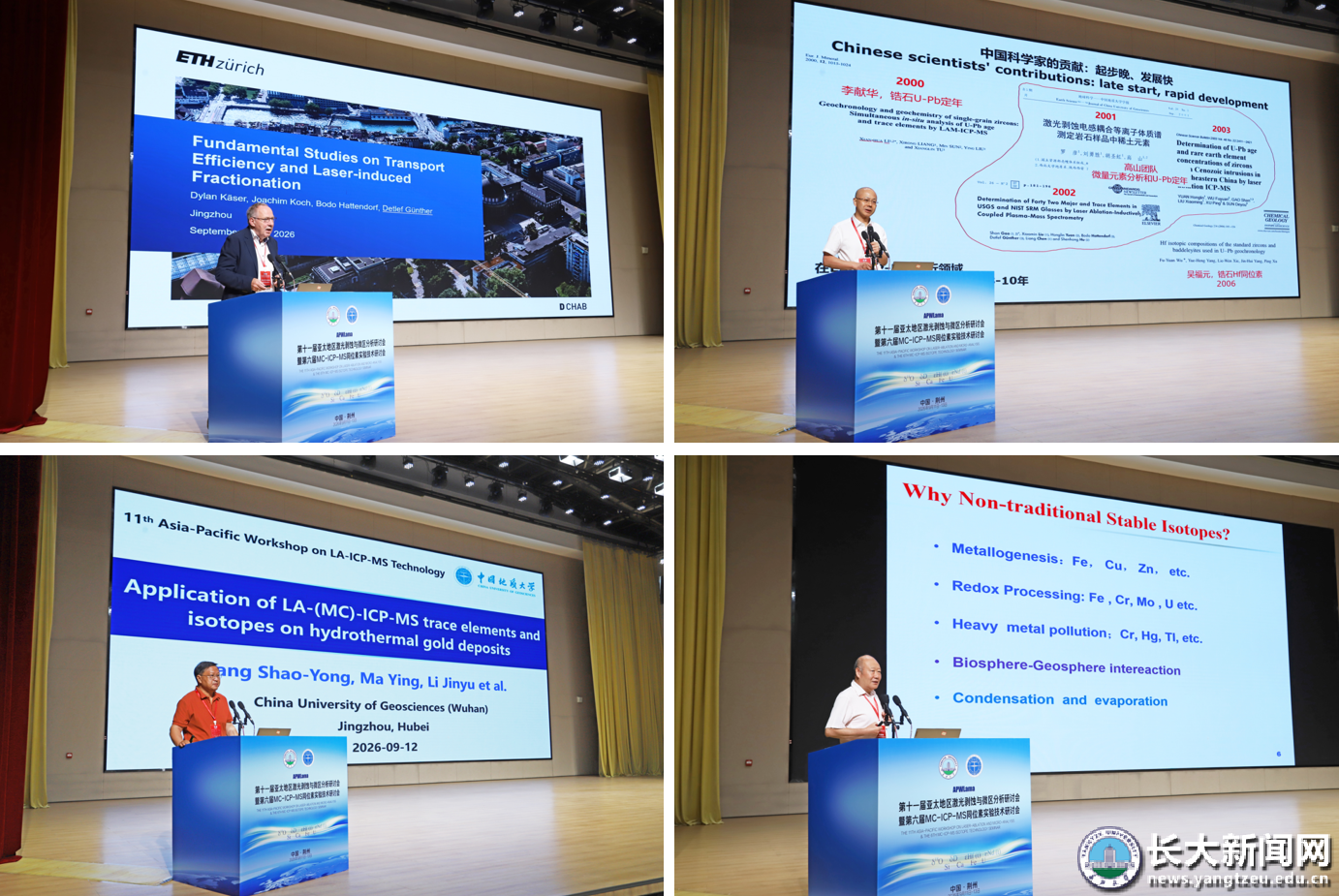
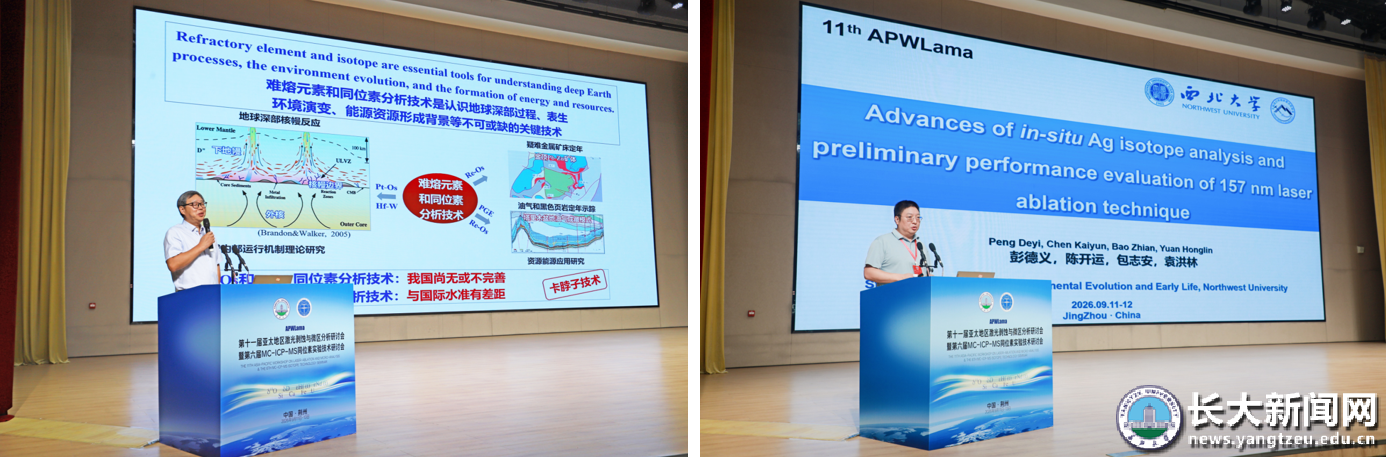
The academic presentations ran for two days, including plenary lectures, parallel-session presentations, and poster sessions. During the plenary sessions, Professor Detlef Günther, member of the German National Academy of Sciences, and professor at ETH Zurich, shared the latest international advances in LA-ICP-MS. Professor Liu Yongsheng elaborated on the landmark contributions made by Chinese scientists in the field of laser ablation mass spectrometry. Professor Shaoyong Jiang of China University of Geosciences (Wuhan) examined applications of LA-(MC)-ICP-MS to trace-element and isotope studies of hydrothermal gold deposits. Researcher Xiangkun Zhu of the Institute of Geology, Chinese Academy of Geological Sciences, introduced developments in non-traditional stable isotope analysis and its applications in geoscience. Professor Jifeng Xu of China University of Geosciences (Beijing) discussed advances in isotope dating and tracing techniques for refractory elements.
Over the two days of academic exchange, nearly 70 experts and scholars from China and abroad delivered presentations on core technologies including LA-ICP-MS, SIMS, and MC-ICP-MS, with a focus on in-situ microanalysis of elemental and isotopic compositions. Discussions covered a wide range of topics, including the optimization and advancement of analytical methods, the development and evaluation of reference materials, and improvements in instrument performance. The presentations addressed diverse research subjects, including rocks and minerals, the supergene environment, and planetary materials, as well as a broad spectrum of scientific issues related to geological evolution, environmental change, and resource exploration. Participants shared their latest research findings and engaged in in-depth discussions on practical challenges involving analytical techniques, data quality control, and the broader application of analytical methods.
As an important academic event in the field of microbeam analysis in the Asia-Pacific region, the symposium has brought together leading research expertise and further expanded Yangtze University’s channels for external academic exchange. It has strengthened collaboration among research teams across the Asia-Pacific region and contributed to the continued advancement of micro-scale elemental and isotope analysis technologies. The event is also expected to provide intellectual support for original innovation in China’s geosciences and for major national strategies, including deep-Earth exploration.