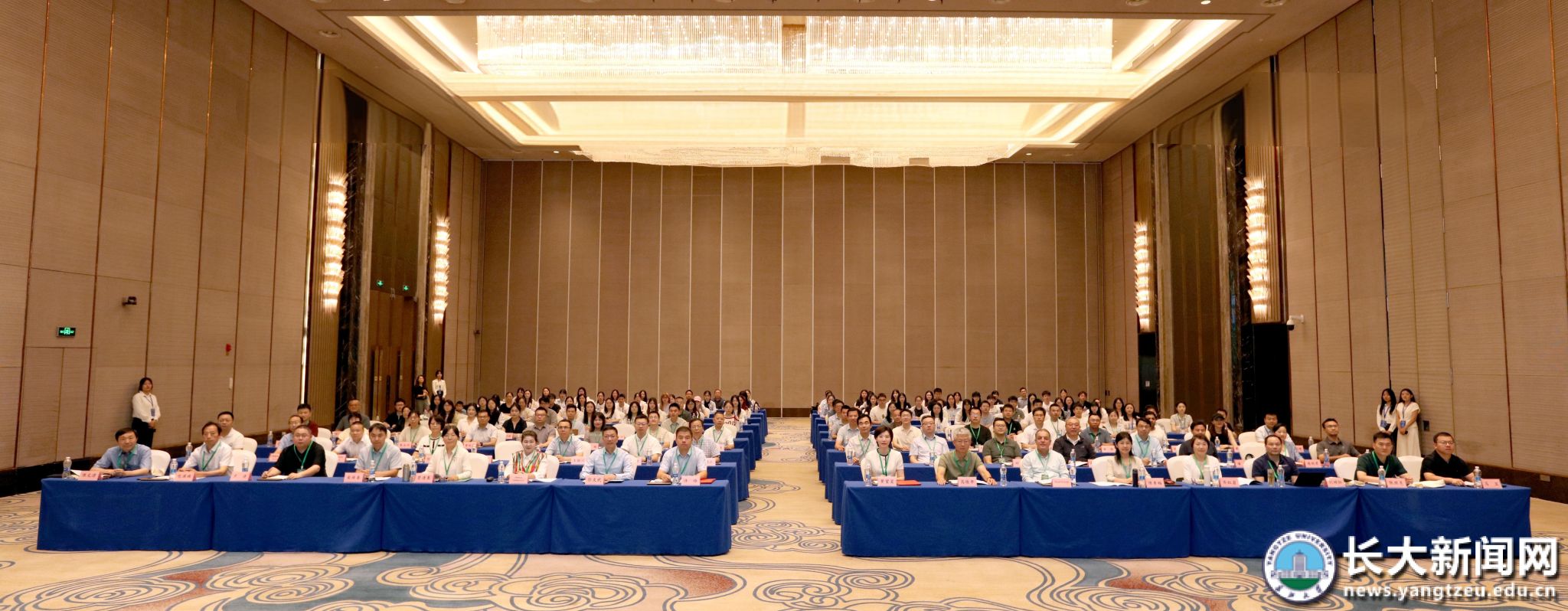
On July 4, the International Conference on Horticultural Plant Germplasm Innovation and Utilization & 2026 International Conference on Industry-Education-Research-Application Integration kicked off in Jingzhou. More than 100 experts and scholars from over 30 universities and research institutes across China, Germany, France, Turkey, Uzbekistan, Myanmar and other countries gathered in the ancient city Jingzhou to conduct in-depth discussions on cutting-edge achievements in the innovation and utilization of horticultural plant germplasm. Xu Feng, Member of the Standing Committee of the Party Committee and Vice President of Yangtze University, and Huang Wangxing, Director of Jingzhou Municipal Bureau of Science and Technology, attended the opening ceremony and delivered welcome remarks..
In his address, Xu extended a warm welcome to all distinguished guests on behalf of the University. He introduced Yangtze University's recent development and highlighted its achievements in germplasm innovation and utilization of spice and aromatic horticultural crops. Xu noted that the conference provides an important platform for strengthening disciplinary development, expanding international collaboration among industry, education, research, and application sectors, and cultivating new horticultural varieties with superior quality, higher yields, and enhanced stress tolerance, thereby contributing to China's seed security and the stable supply of key agricultural products.
Huang Wangxing noted that Jingzhou hopes to leverage this international conference to strengthen collaborative innovation integrating industry, education, research and application, and drive technological innovation and high-quality development of Jingzhou’s horticulture industry.
The keynote session featured presentations by leading scholars from China and abroad.
Guo Wenwu, Professor at Huazhong Agricultural University, presentedMolecular Tools Assisted Cell Engineering for Citrus Improvement, introducing advances in molecular tool-assisted cell engineering for citrus breeding.
Song Chuankui, Professor at Anhui Agricultural University, delivered a presentation entitledVolatile Compounds as Functional Signals in Tea Plant under Cold Stress, highlighting recent findings on the signaling roles of volatile compounds in tea plants under cold stress.
Professor Dilfuza Jabborova of the Academy of Sciences of Uzbekistan shared her research inBiochar–Microorganism Interactions: A Sustainable Biotechnological Approach for Horticultural Crops, discussing the effects of biochar on the growth and development of horticultural crops.
Gao Junping, Professor at China Agricultural University, reported the latest progress in breeding cut roses with enhanced anti-senescence traits.
Professor Wu Tao of Hunan Agricultural University presented research on the molecular mechanisms underlying glossy cucumber fruit and strategies for its genetic improvement.
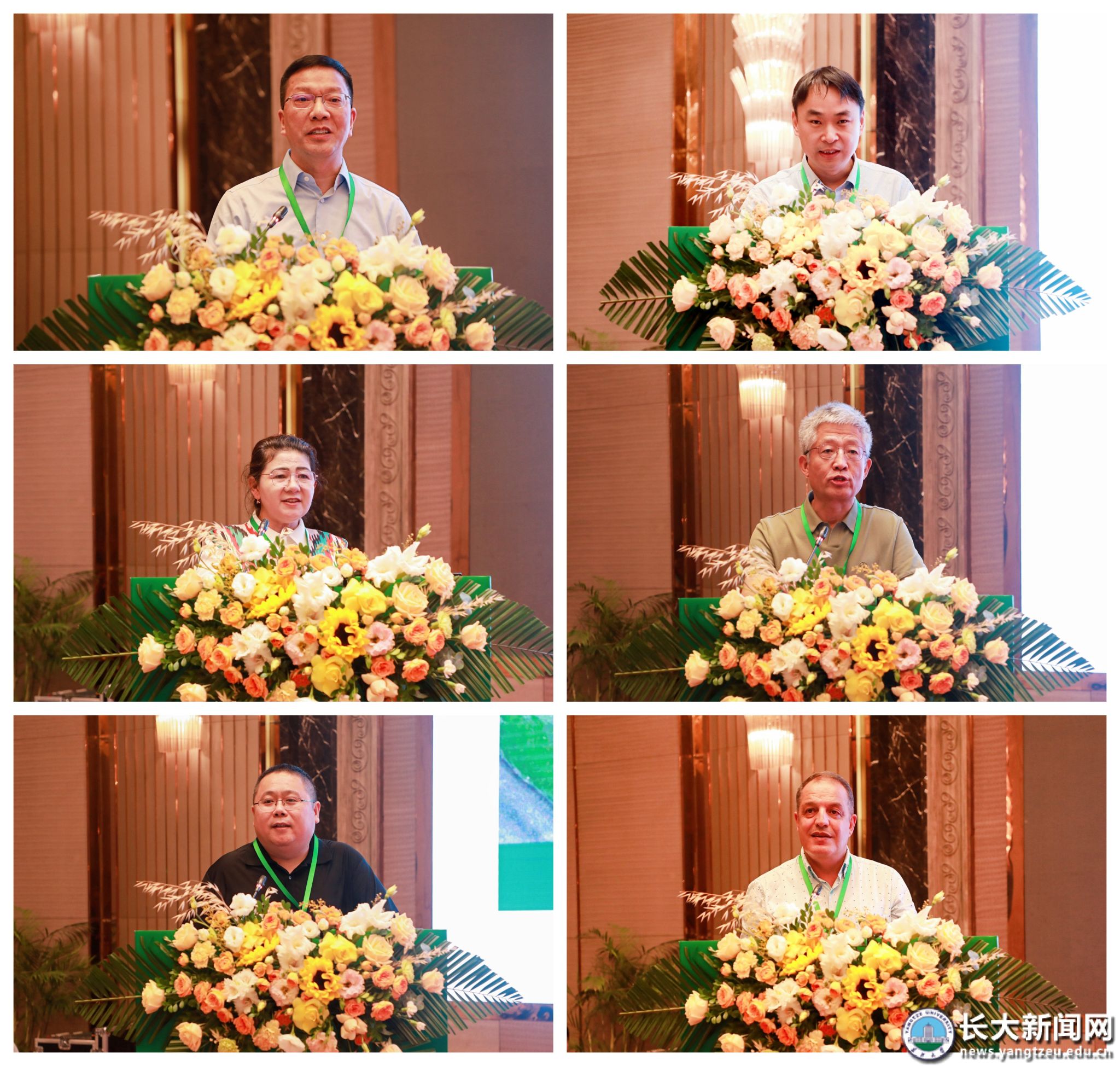
Professor Sezai Ercisli of Atatürk University delivered a keynote address entitledThe Importance of Wild Edible Fruits, introducing recent advances in the exploration and utilization of wild edible fruit germplasm resources.
The conference also featured three parallel sessions focusing on ornamental horticulture and tea science, vegetable crops, and fruit trees. Thirty experts from leading universities and research institutes—including Hochschule Geisenheim University (Germany), the University of Bordeaux (France), Yezin Agricultural University (Myanmar), Zhejiang University, Huazhong Agricultural University, Wuhan Botanical Garden of the Chinese Academy of Sciences, and South China Botanical Garden of the Chinese Academy of Sciences—presented their latest research. Discussions centered on trait regulation, quality improvement, germplasm innovation, and other cutting-edge topics in horticultural science.
The conference was guided by the Hubei Provincial Department of Education and jointly hosted by Yangtze University and the Hubei Provincial Key Laboratory of Germplasm Innovation and Utilization of Spice and Aromatic Horticultural Crops. It was organized by the College of Horticulture and Gardening, Yangtze University, with support from the Hubei Provincial Key Laboratory of Purification and Application of Plant Anti-cancer Active Substances and the Honghu Laboratory.